CS2's Three Dark Features: Decoding the Scalping Ecosystem, Cheat Tolerance, and Internet Cafe Ban
An in-depth analysis of three strange phenomena in CS2's virtual economy: the self-consistent closed loop where everyone is a 'scalper,' the tacit official tolerance of cheats in Deathmatch maps, and the tragic history of internet cafe bans caused by API hijacking. From player-driven economy and platform governance gray zones to trust crisis warnings.
CS2’s Three Dark Features: Scalping Ecosystem, Tacit Cheating, and Internet Cafe Forbidden Zone
Introduction: You think CS2 is just a shooting game? Wrong! It’s more like an unregulated virtual financial city — some people trade stickers like stocks, others run bot lobbies as “data miners,” and some lose everything over a single skin. This video uses dark humor to dissect CS2’s three counter-intuitive features: the closed-loop ecosystem where everyone is a “scalper,” the tacit official tolerance of cheaters, and the tragic history of veteran players collectively abandoning internet cafes due to theft. This isn’t a game review; it’s a CS2 Survival Guide Against Scams.
Background: CS2 (Counter-Strike 2), as Valve’s long-awaited sequel, superficially continues the classic tactical shooting experience, but has quietly evolved into one of the world’s most complex player-driven virtual economy systems. Its foundation rests on the Steam Market, supporting cross-account free trading of skins, 7-day trade holds, floating prices, and wear value systems. It has even spawned gray industry chains like “sticker futures,” “case arbitrage,” and “Deathmatch farming studios.” Unlike closed economies like Genshin Impact or Honor of Kings, CS2 skins aren’t just decorations — they are hard currency that can be mortgaged, hoarded, and manipulated. And its “anti-cheat” mechanism has long been jokingly called an “art exhibition of the report button” by players. This contradiction is the key entry point to understanding CS2’s true face.
The Scalper Is the Player: A Self-Consistent and Terrifying Economic Closed Loop

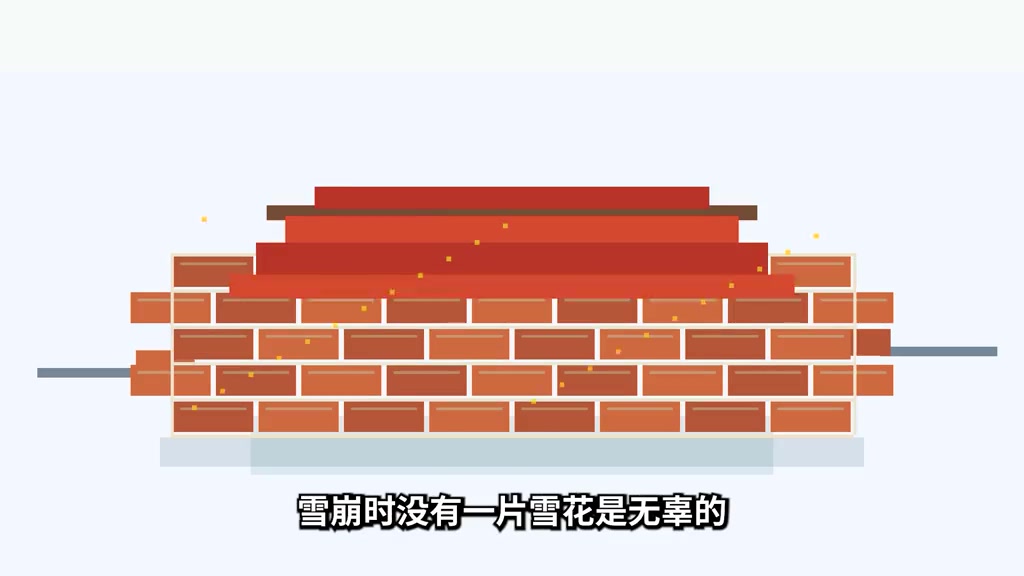
“Everyone is a scalper” isn’t an insult, but an accurate description of CS2’s ecological logic. When you spend $300 on a “Falchion Knife | Fade,” play with it for two weeks, sell it for $350, and then add more money to trade for an “AWP | Dragon Lore,” you’ve unconsciously completed three key economic actions: consumption drives demand, resale provides liquidity, and the price difference creates arbitrage space. The vast number of “self-use” players may seem detached, but they are actually the ballast of the entire market — without their genuine preference for rare stickers, souvenir packages, and high-wear collectibles, scalpers couldn’t buy low and sell high. Without the instant buy/sell channels provided by scalpers, self-use players couldn’t quickly liquidate and upgrade their gear. This closed loop even self-reinforces: skin price increases attract more people to hoard, hoarding drives up hype, which attracts more self-use players… When the avalanche comes, no snowflake feels responsible. Every “buy/sell” record in the transaction history is a pulse beating in this ecological chain.
Tacit Cheating: The “No Man’s Land Economics” of Deathmatch Maps
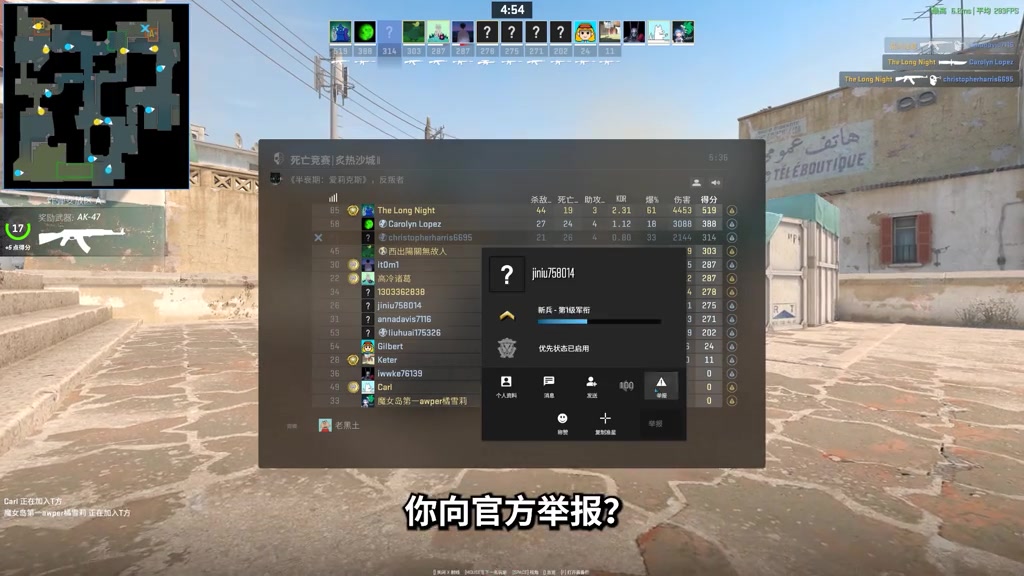
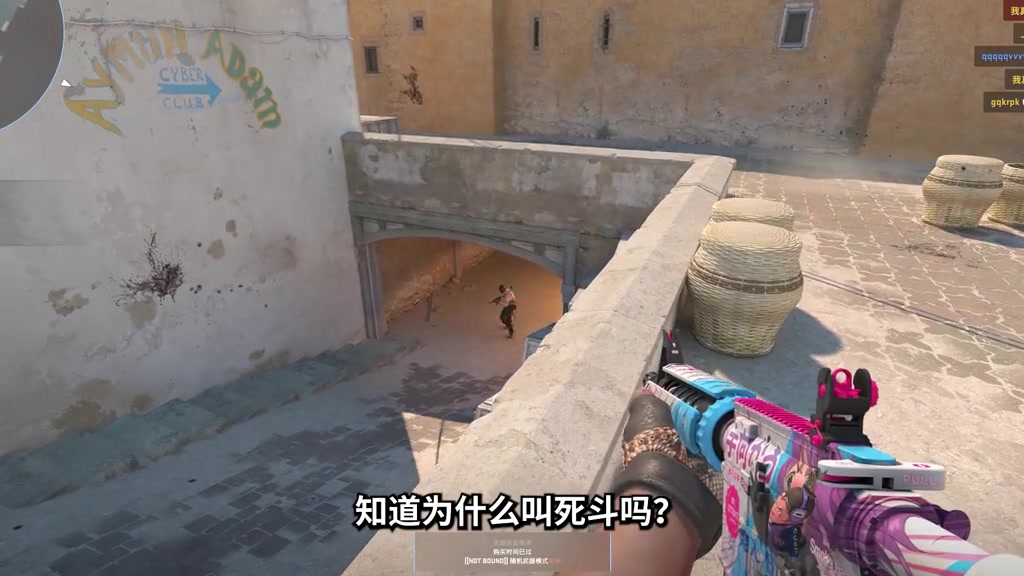
CS2 has an absurd reality: in Deathmatch maps, players often “180-degree snap-turn at the slightest contact,” but their spectated view shows no movement — this is practically a living manual for bot lobbies. Even more ironic, the report button is virtually useless, and Valve hasn’t mass-banned these accounts for years. The reason? Naked profit calculation: these studios’ mass-registered “Prime” accounts farm thousands of hours of experience daily in Deathmatch/Arms Race modes, just to consistently earn the store-dropped “key + case” combo, then unbox rare skins and list them on the market. A single studio producing hundreds of “StatTrak™ M4A4 | Howl” per month is equivalent to injecting tens of thousands of dollars in liquid assets into the Steam Market monthly. Valve doesn’t ban them? Not because they can’t, but because banning would mean — player count plummets, case sales decline, market trading volume shrinks. So “Deathmatch has no real players” has become common knowledge, and CS2 has become a rare example in the gaming industry of an economy being inversely nurtured by cheaters.
The Internet Cafe Ban: A Mass Migration Caused by API Hijacking
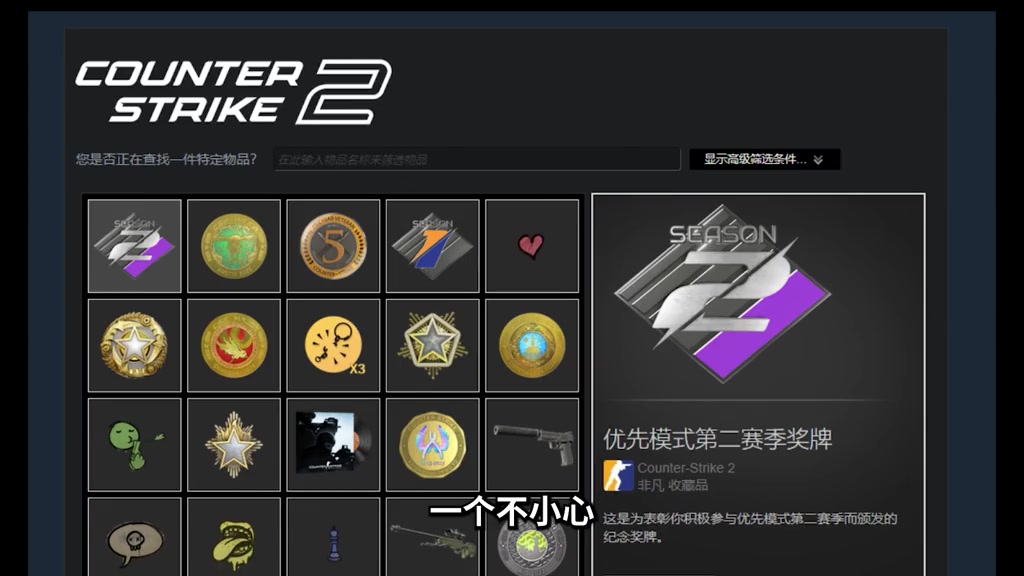
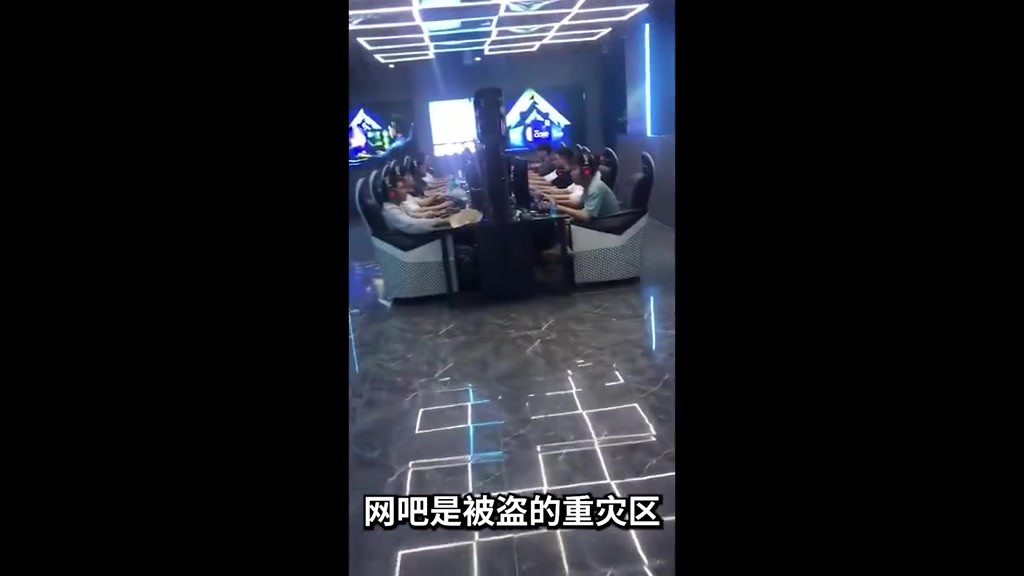
CS2 players have an unwritten iron rule: never log into your account at an internet cafe. This isn’t paranoia, but a survival instinct earned through blood and tears. In the early days, Steam trading had no revocation mechanism, and internet cafe computers were essentially “hacker breeding grounds”: without clicking any links, a malicious DLL running in the background could hijack the Steam API, emptying your inventory, transferring skins, and even selling your account within three minutes. Veteran players still remember that suffocating feeling — finishing a round, turning back to find your inventory’s “Karambit | Blue Steel” worth tens of thousands gone, replaced by a “Thanks for your patronage” private message from a stranger. Even though Valve later introduced trade holds, extended cooldown periods, and mandatory email verification, the trust fracture had long solidified. Today, CS2 is hard to find in internet cafes. Superficially, it’s a popularity issue, but in reality, it’s an entire generation of players voting with their collective behavior: they’d rather spend an extra thousand on a personal PC than gamble on a single “slip-up” on a public computer.
Conclusion: CS2 has long transcended the realm of shooting games, becoming a prism for examining digital property rights, platform responsibility, and player rationality. Its “scalping ecosystem” reveals a truth: when virtual items gain real liquidity, every player is a micro-trader. Its “tacit cheating” tears open the gray zone of platform governance — technically feasible ≠ commercially viable. And the “internet cafe ban” warns us: when security infrastructure lags behind economic innovation, even the coolest game can be consumed by a trust crisis. To Valve’s credit, recent actions have been frequent: trade holds reduce theft losses, red-lock mechanisms crack down on bot-farmed cases, and ban scales expand year by year. But the real breakthrough may not lie in technical patches, but in upgrading skin trading from “gold-like” to “bank-like” — introducing third-party escrow, establishing wear value公证, and opening historical price audits. After all, when a single sticker can move a student’s annual tuition, what CS2 needs to protect is not just headshot rates, but the reverence of countless young people touching the digital world for the first time.